Stem Cells for Dogs and Cats: An Effective Treatment for Osteoarthritis
Last updated: 21 Oct 2026
38 Views
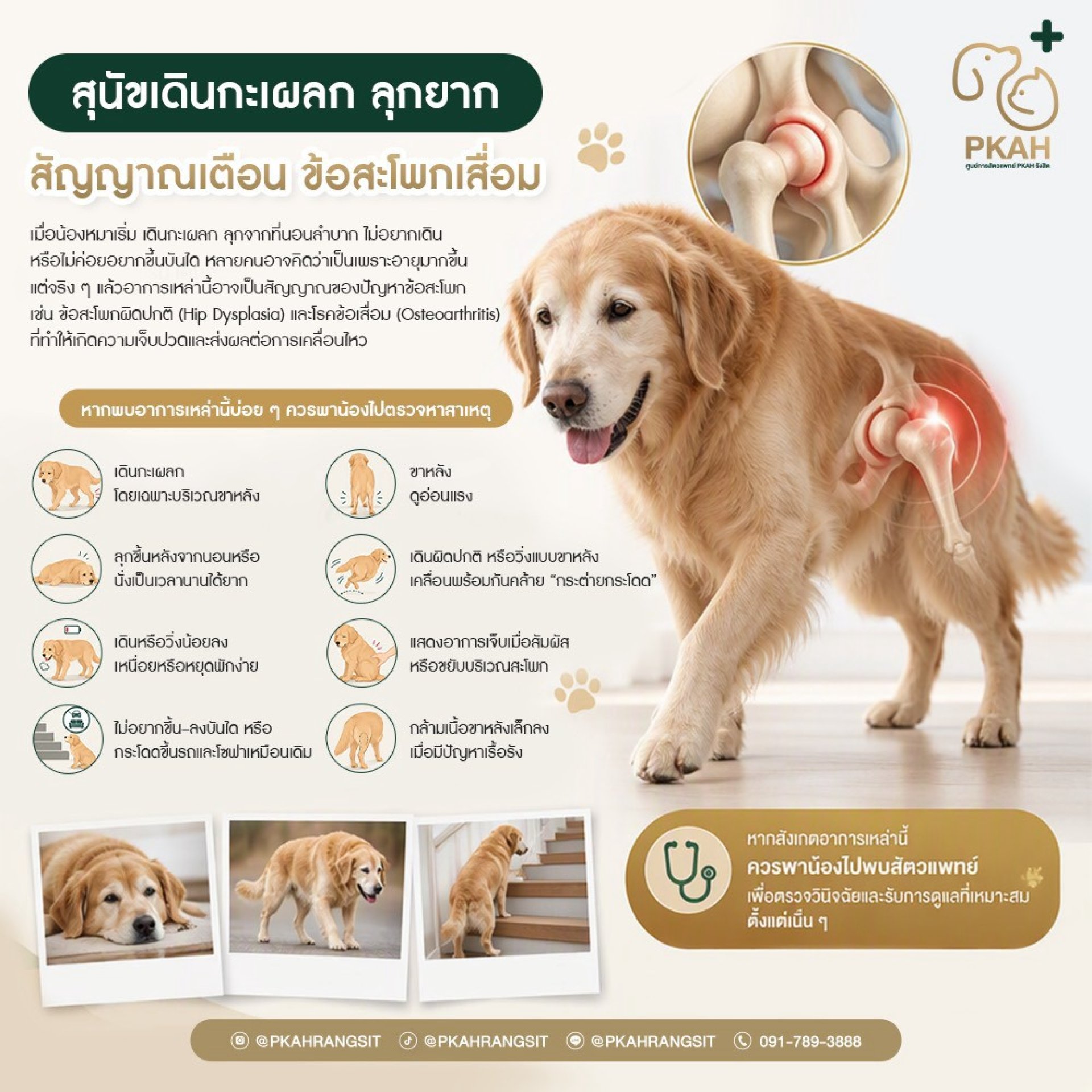
As pets like dogs and cats reach their senior years, issues such as osteoarthritis and hip joint problems often become unavoidable challenges for owners. These conditions significantly impact a pet’s mobility and overall quality of life. However, advancements in medical technology—specifically the use of stem cells—have opened new doors for the effective treatment and rehabilitation of pets. This article explores what stem cells are, their role in treating osteoarthritis and hip joint issues, the treatment process, and essential advice to consider before opting for this approach, ensuring you can make informed decisions and provide the best possible care for your pet.
Stem Cells in Dogs and Cats: Definition and Key Functions
Have you ever wondered what stem cells are? Stem cells are unique cells capable of dividing and differentiating into various specialized cell types within the body. Their primary function is to repair damaged tissue and restore the function of various organs—a process particularly vital for the skeletal and joint systems, which are frequently affected by osteoarthritis and hip joint degeneration in aging pets.
Notably, stem cells can stimulate the formation of new tissue and effectively reduce inflammation in injured or degenerated areas. This helps pets regain their mobility and alleviates pain. Furthermore, stem cells support the immune system and aid in cellular regeneration across various organs, making them a compelling option for managing chronic conditions in pets.
Conditions and Health Issues Addressed by Stem Cell Therapy in Dogs and Cats Effective Treatment
Osteoarthritis and hip dysplasia are common issues in aging dogs and cats, particularly in large breeds or overweight animals. These conditions stem from the wear and tear of articular cartilage and the deterioration of surrounding joint tissues, causing pets to experience pain, difficulty in movement, and a reduced ability to perform daily activities.
Stem cell therapy significantly reduces inflammation and alleviates pain. It also promotes the regeneration of damaged tissue, enabling pets to move more easily and enjoy a noticeably better quality of life. Furthermore, stem cells hold potential for treating other conditions related to tissue degeneration—such as neurological disorders, muscular issues, heart disease, and ailments resulting from injury or organ deterioration—thereby expanding the options for comprehensive pet healthcare.
Consider, for example, a dog with hip dysplasia that struggles to walk or run. Stem cell therapy can help regenerate joint tissue and decrease inflammation, allowing the pet to regain mobility and experience a significant, long-term reduction in pain.
The Assessment and Stem Cell Treatment Process for Dogs and Cats: A Safe and Effective Approach
Stem cell therapy begins with a health assessment by a specialized veterinarian to determine whether this treatment is appropriate for your pet. This evaluation typically includes a thorough physical examination, X-rays, or other diagnostic tests to ensure a complete and accurate clinical picture.
Following this, stem cells are collected from the pet. These cells are typically harvested from fat tissue or bone marrow, as these sources contain high-quality stem cells. They are then cultured in a laboratory to increase their numbers and prepared for injection back into the animal’s body at the specific site requiring regeneration—such as a hip joint or other affected joints.
Stem cell injections are performed under the close supervision of a veterinarian to ensure maximum safety and efficacy. Following the procedure, the pet will undergo ongoing monitoring to assess recovery, with care plans adjusted as necessary. Pet owners should strictly follow the veterinarian’s recommendations—such as ensuring adequate rest and limiting physical activity—to achieve the best possible treatment outcomes.
Consulting a Veterinarian: A Trusted Approach (PKAH Rangsit Veterinary Center)
Before opting for stem cell therapy, pet owners should prioritize a consultation with a veterinarian. Because every animal has unique health needs, a veterinarian can assess whether this treatment is appropriate, provide tailored guidance, and monitor progress to ensure the pet receives safe and effective care.
PKAH Rangsit Veterinary Center features a team of expert veterinarians and state-of-the-art technology, offering comprehensive diagnostic and stem cell treatment services. Pet owners can contact PKAH Rangsit directly to seek advice or schedule a health check-up, ensuring they have all the information needed to make informed decisions about the best treatment options for their pets.
For more information regarding stem cell therapy and the services offered at PKAH Rangsit, please visit the center’s website or call to speak directly with a member of the expert veterinary team.
Summary: Stem Cell Therapy for Dogs and Cats A Key Aid in Restoring Pet Health
Stem cell therapy for dogs and cats serves as an effective treatment option for pets suffering from osteoarthritis and hip-related conditions. It helps restore health and significantly improves a pet's quality of life. Consulting with a veterinary specialist before beginning treatment ensures that this approach is both appropriate and safe, leading to the best possible outcomes for your beloved pet.
By gaining a better understanding of stem cell therapy, pet owners can make informed decisions regarding modern, suitable treatment options—helping their pets remain healthy and happy throughout every stage of their lives.
Tags :

